
CapsoVision, a commercial-stage medical technology company developing advanced imaging and AI-enabled capsule endoscopy solutions, announced submission of its 510(k) application to the Food and Drug Administration (FDA) for its proprietary AI-assisted module for CapsoCam Plus. The addition of this reading tool will improve the detection of clinically significant pathology, as well as reduce clinician review time. The Company intends for U.S. commercialisation activities to commence after the FDA clearance.
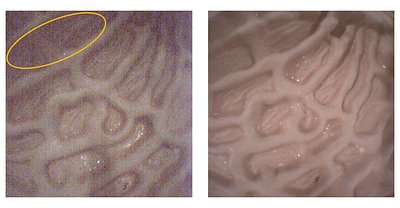
CapsoVision’s CapsoCam Plus capsule endoscopy system is intended for visualisation of the small bowel mucosa to detect abnormalities of the small bowel in adults and children aged two years and older. The Company believes that it is a more advanced capsule endoscopy solution compared to competitor systems, both in how it captures and presents images of the GI tract and the clinical workflow and patient experience that it enables.
“This submission marks an important milestone in our commitment to customers and patients towards advancing a best-in-class solution that integrates advanced imaging with AI-powered interpretation for small bowel diagnostics,” said Johnny Wang, President and Chief Executive Officer. “We believe we are the only capsule endoscopy company with in-house AI core competency, and the scale and quality of our growing image data trove create a powerful foundation for training AI models and uncovering new clinical insights that will set our platform apart from competitive options. Combined with our fully cloud-based architecture—which eliminates the need for on-site servers, reduces cost and downtime, and removes the burden of IT maintenance—we are delivering an AI-enabled diagnostic platform designed to bring efficiency, accuracy, and accessibility to GI practices of all sizes.”