Neurophet has signed a supply agreement with Raffles Medical in Singapore for Neurophet AQUA, its AI-based neurodegenerative brain imaging analysis software.
The agreement gives Neurophet a clinical reference point in Singapore, following earlier collaborations with public institutions including the Dementia Research Centre at Nanyang Technological University, the National University of Singapore and Singapore General Hospital.
This is relevant because neurodegenerative diseases such as Alzheimer’s disease and vascular dementia require earlier and more consistent diagnostic support. Brain MRI can provide important structural information, but manual interpretation of atrophy and white matter changes can be time-consuming and variable across settings.
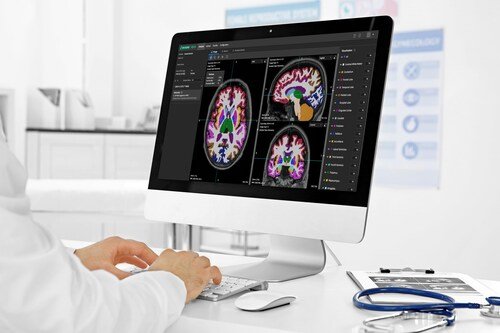
Neurophet AQUA performs ultra-fast quantitative analysis of brain MRI scans. The software supports assessment of brain atrophy and white matter degeneration, and generates customised reports based on each patient’s imaging data.
The platform is designed to quantify structural changes observed in neurodegenerative diseases. This can help clinicians review imaging findings more consistently and may support disease assessment, referral decisions and longitudinal monitoring.
Raffles Medical is the primary healthcare arm of Raffles Medical Group and operates more than 100 multidisciplinary clinics across Singapore and Asia. Its network is integrated with Raffles Hospital and Raffles Specialist Centres, giving patients access to specialist and diagnostic services.
The deployment is commercially important because private healthcare networks can provide a pathway for AI imaging tools to move from research collaboration into broader clinical use. Singapore is also a relevant launch market because of its strong diagnostic infrastructure, ageing population and active interest in digital health adoption.
Neurophet’s broader product portfolio includes Neurophet SCALE PET for PET image quantitative analysis, Neurophet tES/TMS LAB for electric and magnetic brain stimulation treatment planning, Neurophet AQUA AD for Alzheimer’s disease treatment prescription and monitoring, and Neurophet AQUA MS for multiple sclerosis image analysis.
The development reflects the growing role of AI in neurological imaging. As dementia and other neurodegenerative conditions place greater pressure on healthcare systems, tools that can quantify structural brain changes quickly and consistently may become more important in both specialist and primary care-linked diagnostic pathways.