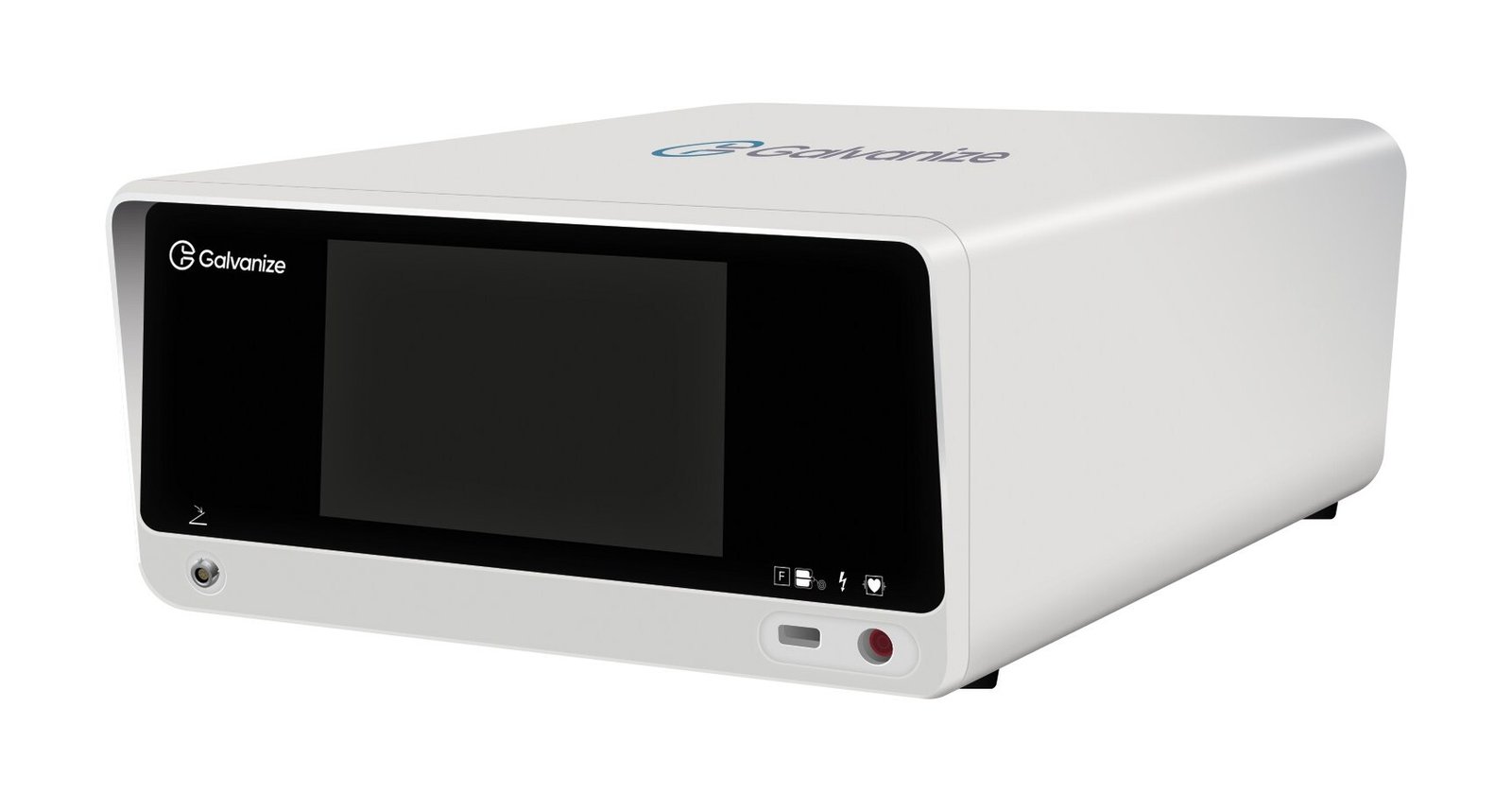
Galvanize Therapeutics has received US FDA 510(k) clearance for the Aliya EX Generator, expanding its pulsed electric field platform for surgical ablation of soft tissue.
The clearance addresses a growing need in interventional oncology for ablation technologies that can treat a broader range of lesion sizes while fitting into established procedural workflows. Soft tissue ablation remains an important option for patients with limited treatment alternatives, particularly where multidisciplinary cancer care requires local disease control alongside systemic therapy.
Aliya EX builds on Galvanize’s existing Aliya PEF platform by increasing treatment capability without changing the core non-thermal energy approach. The new generator can produce up to a two-fold larger ablation diameter compared with the previous-generation system, translating into as much as a seven-fold increase in ablation volume.
The platform delivers high-voltage, short-duration electrical pulses to targeted tissue to induce non-thermal regulated cell death. Its differentiation lies in combining soft tissue ablation with compatibility across biopsy workflows and standard oncologic therapies, while early preclinical and clinical findings suggest potential immune activation. However, the company notes that patient benefit from immune response induction has not been established.
Following FDA clearance, the Aliya EX Generator will enter limited commercial release in the United States. The system is cleared for surgical ablation of soft tissue and is not intended to treat, cure, prevent or mitigate any specific disease or condition.
The target users include interventional oncology teams, surgeons and multidisciplinary cancer care centres seeking broader ablation flexibility. Adoption will depend on clinical familiarity with pulsed electric field procedures, integration into existing workflows, reimbursement considerations and evidence generation across real-world use settings.
Galvanize’s progress reflects a wider medtech trend toward non-thermal ablation platforms that aim to improve procedural precision while preserving surrounding tissue architecture. As interventional oncology continues to evolve, technologies that combine workflow compatibility, broader treatment range and credible clinical evidence are likely to shape future adoption.