A predictive artificial intelligence (AI) platform developed by FertilAI has received the world's first CE marking under the European Union Medical Device Regulation (EU MDR), marking a significant advancement in the application of AI in reproductive medicine.
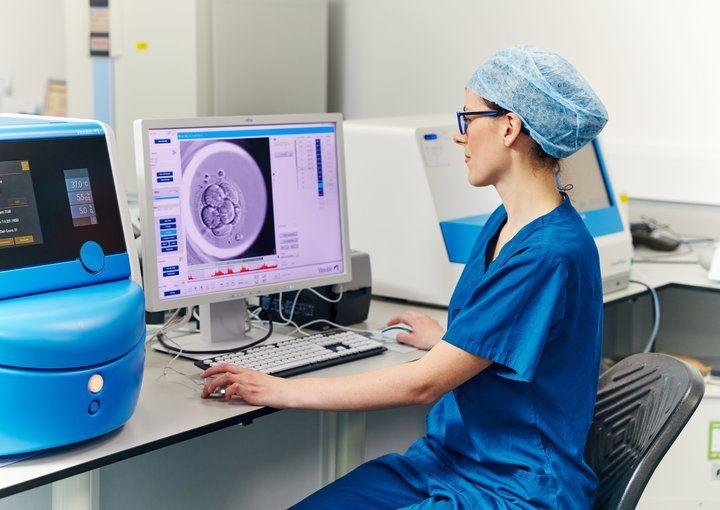
The innovation focuses on integrating predictive analytics into fertility workflows, enabling clinicians to forecast key biological events such as ovulation and oocyte maturation. By utilising large-scale clinical datasets and machine learning models, the platform allows for more precise and individualized treatment planning.
At the core of FertilAI’s platform are algorithms capable of predicting ovulation several days in advance and estimating the number of mature oocytes retrieved during treatment cycles. These capabilities support clinical decision-making across assisted reproductive procedures, including in vitro fertilization (IVF), intrauterine insemination (IUI), and embryo transfer.
Unlike traditional fertility protocols, which rely heavily on frequent monitoring and standardized timelines, the AI-driven approach introduces a data-informed, patient-specific strategy. This enables improved timing accuracy, reduces the need for intensive monitoring, and enhances overall clinical efficiency.
The platform has been trained on datasets comprising over 100,000 fertility cycles, supporting robust predictive performance across diverse patient populations. It is also designed to integrate seamlessly with existing clinical systems, allowing clinicians to access real-time insights without disrupting workflows.
The CE marking confirms that FertilAI’s technology meets regulatory standards for safety and performance, supporting its deployment across European healthcare systems. This milestone highlights the growing role of AI-powered decision support tools in transforming fertility care.
More broadly, innovations such as FertilAI’s platform reflect a shift toward personalized, data-driven reproductive medicine, which opens the path to enable earlier and more accurate interventions. Predictive AI has the potential to improve treatment success rates while reducing both clinical and patient stress.