Stryker has launched its Pangea Plating System in Europe and completed the first clinical case in the region at St. George’s University Hospital in London.
The launch expands Stryker’s trauma portfolio in Europe and addresses an ongoing need in orthopaedic trauma care for fracture fixation systems that can support varied anatomical requirements without adding procedural complexity. Trauma surgeons often manage a wide range of fracture patterns, making implant fit, intraoperative flexibility and workflow consistency central to adoption.
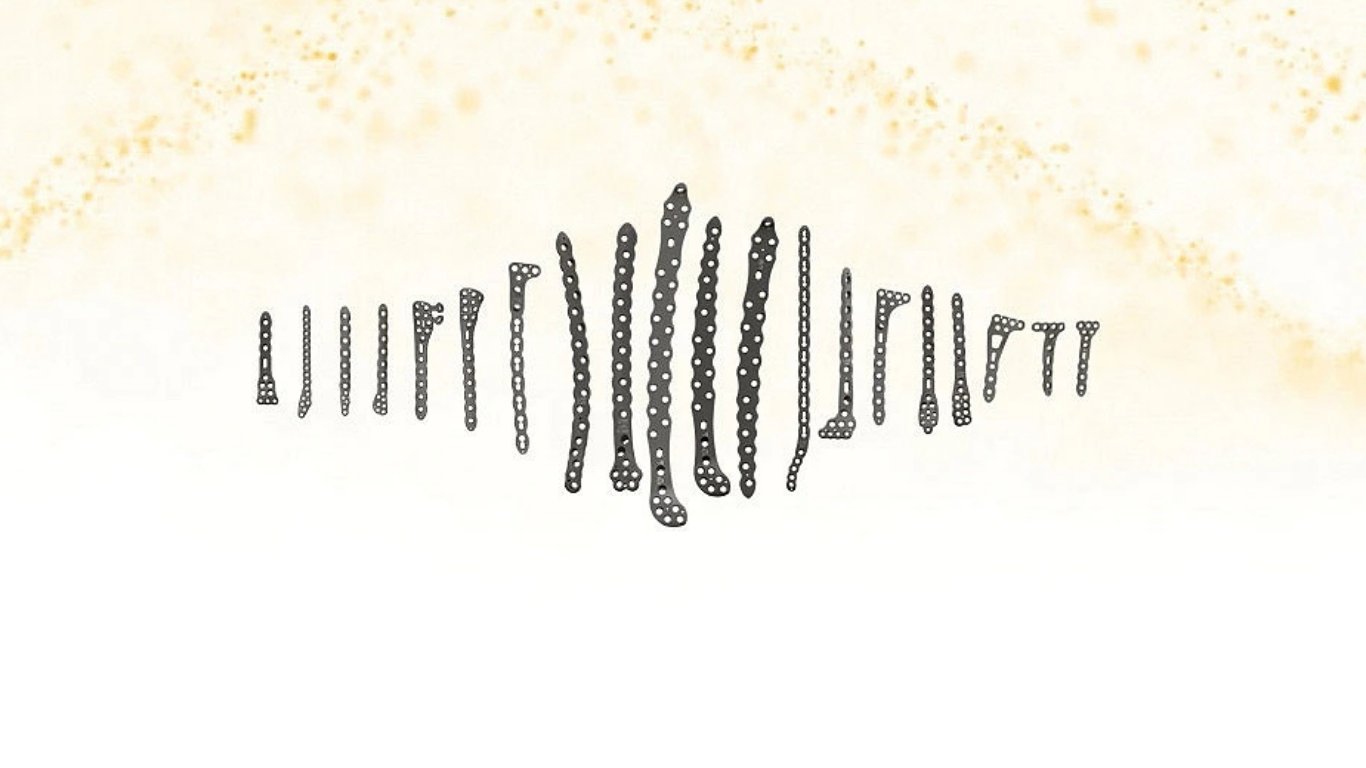
Pangea is a plating platform designed for the treatment of a wide range of fracture patterns. The devices are non-active implants intended to provide temporary stabilisation for bones or bone fragments, with plates and complementary instrumentation supporting fracture fixation across the upper and lower extremities.
The system was developed in collaboration with 26 orthopaedic surgeons globally and incorporates anatomical data intended to support plate fit across diverse patient populations. It also includes variable-angle plating, giving surgeons flexibility in screw placement while maintaining a streamlined instrumentation set.
The first European case was completed by Prof. Alex Trompeter, design surgeon and orthopaedic trauma surgeon, together with his team at St. George’s University Hospital in London. The milestone marks the platform’s transition into European clinical use following prior experience with the system in the United States.
The European launch demonstrates the continued evolution of trauma fixation platforms toward systems that combine anatomical fit with procedural simplicity. As fracture care demand grows across ageing and active populations, implant systems that support adaptable fixation while preserving workflow efficiency may gain wider relevance in orthopaedic trauma practice.