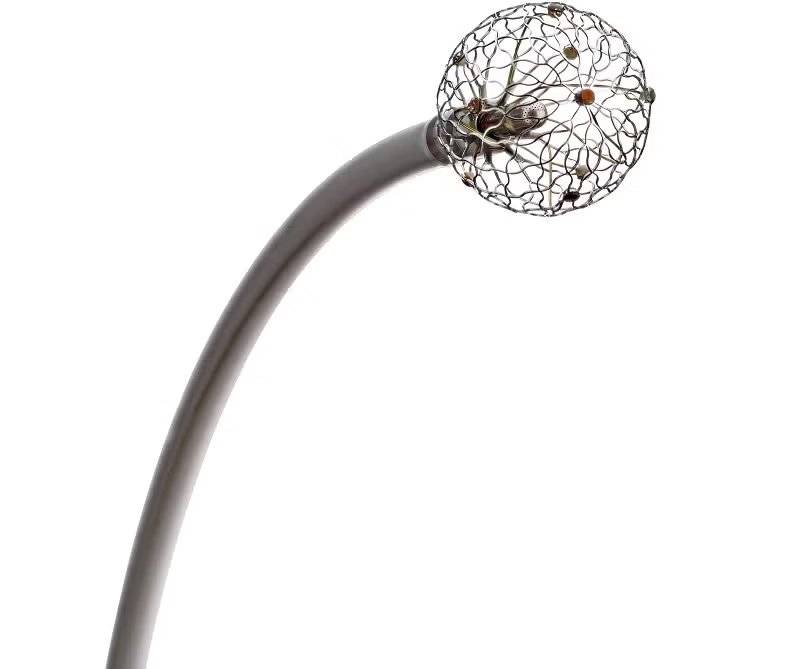
Medtronic has announced key clinical and regulatory milestones for its Affera™ platform, including the Sphere-9™ and Sphere-360™ catheters, as global adoption of pulsed field ablation (PFA) technologies continues to accelerate.
At Heart Rhythm 2026, late-breaking data highlighted interim outcomes from an ongoing feasibility study evaluating the Sphere-9 catheter for the treatment of sustained monomorphic ventricular tachycardia (VT). Results showed that 65.5% of patients remained free from VT recurrence at six months following ablation, demonstrating encouraging effectiveness in a patient population with limited treatment options.
In recognition of the unmet need in VT treatment, the U.S. Food and Drug Administration (FDA) granted Breakthrough Device Designation for the Sphere-9 catheter, supporting an accelerated regulatory pathway. A U.S. pivotal trial has also been approved, further advancing clinical development.
In parallel, new data presented for the Sphere-360 catheter demonstrated consistent lesion durability across varying patient anatomies, reinforcing its potential as a single-shot PFA solution for atrial fibrillation. The device, which received CE Mark approval in January 2026, is currently being evaluated in ongoing studies to support broader clinical adoption.
Both catheters are part of Medtronic’s Affera mapping and ablation platform, which integrates high-density cardiac mapping with the ability to deliver both pulsed field and radiofrequency energy. This dual-modality approach is designed to improve procedural flexibility and efficiency while maintaining safety and effectiveness in complex electrophysiology procedures.
The updates reflect broader momentum in the electrophysiology field, where pulsed field ablation is emerging as a next-generation modality due to its ability to selectively target cardiac tissue while minimising damage to surrounding structures. As clinical evidence continues to build, technologies such as the Sphere-9 and Sphere-360 catheters are expected to play an increasingly important role in advancing treatment options for both atrial and ventricular arrhythmias.