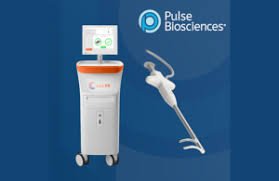
Pulse Biosciences has presented late-breaking updated clinical data from its nPulse™ Cardiac Catheter System at the Heart Rhythm 2026 conference, highlighting strong durability and procedural efficiency in the treatment of atrial fibrillation (AF).
The multicentre results from the first-in-human feasibility study demonstrated sustained high effectiveness of the system, with data showing durable pulmonary vein isolation (PVI) outcomes over extended follow-up periods. This is a key endpoint in AF ablation, as maintaining long-term electrical isolation of pulmonary veins is critical to reducing arrhythmia recurrence.
In addition to durability, the system showed notable procedural efficiency, with clinicians reporting consistent outcomes across patients and sites. This combination of high effectiveness and workflow efficiency is particularly significant in electrophysiology, where trade-offs between procedure time and long-term success are common.
The nPulse system is based on Pulse Biosciences’ proprietary nanosecond pulsed field ablation (nsPFA) technology, which uses ultra-short electrical pulses to non-thermally ablate cardiac tissue while preserving surrounding structures. This mechanism is designed to reduce collateral damage and improve safety compared to traditional thermal ablation approaches.
Clinical experts noted that the consistency and durability observed in the study are notable for a technology at this stage of development, with outcomes exceeding typical expectations for AF ablation procedures. The results suggest that nsPFA-based systems could play an important role in advancing next-generation cardiac ablation therapies.
The data presented at Heart Rhythm 2026 contribute to a growing body of evidence supporting pulsed field ablation as a promising modality in the treatment of cardiac arrhythmias. As electrophysiology continues to evolve, innovations that improve both procedural efficiency and long-term outcomes are expected to drive adoption in clinical practice.