Clarius Mobile Health has received US FDA clearance for its Ejection Fraction AI tool, expanding the capabilities of its handheld wireless ultrasound platform for cardiac assessment.
The clearance addresses a common challenge in point-of-care ultrasound: assessing left ventricular systolic function quickly and consistently outside formal echocardiography settings. Traditional visual estimation of ejection fraction can be subjective and operator-dependent, limiting confidence among clinicians with less specialised cardiac ultrasound training.
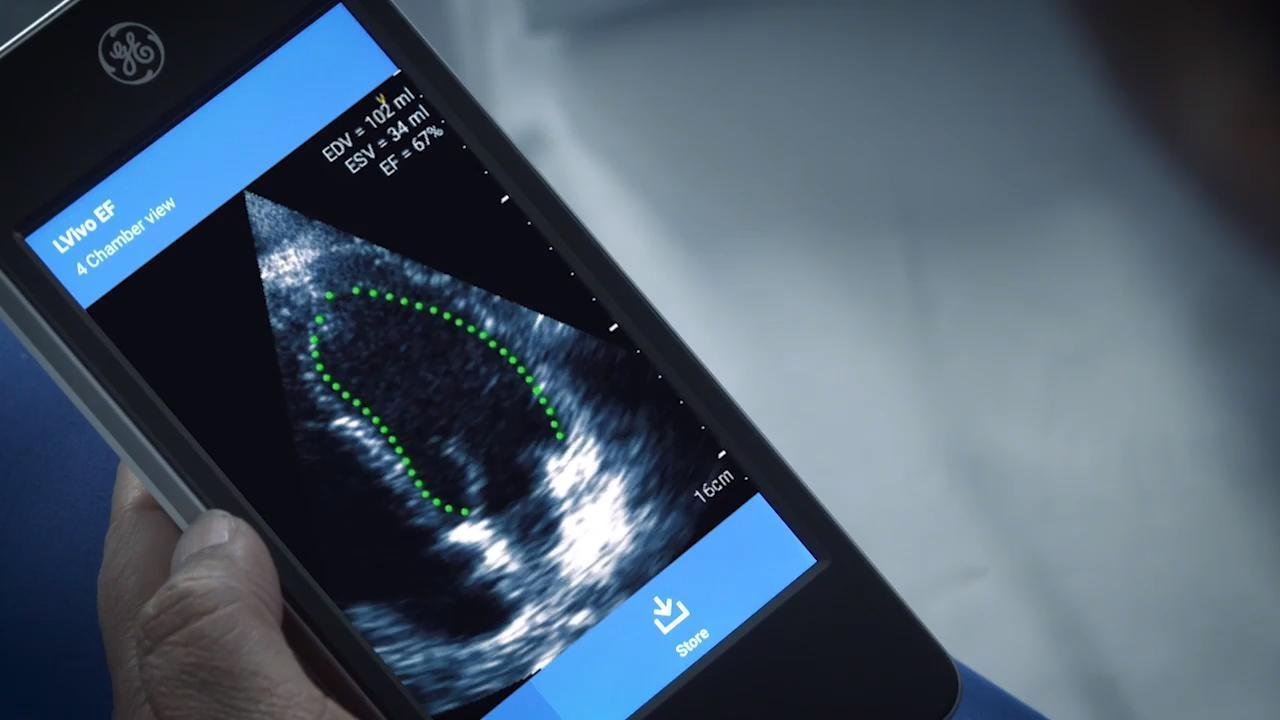
Integrated into the Clarius Ultrasound App, Ejection Fraction AI automatically calculates and displays left ventricular ejection fraction in real time from standard cardiac views. The tool was developed using thousands of clinician-annotated cardiac ultrasound images to support consistent assessment across patient presentations.
The technology is positioned for primary care, emergency medicine and critical care environments where rapid cardiac function assessment can influence early decisions. It may assist clinicians in evaluating heart failure risk, shortness of breath, septic shock, trauma and resuscitation scenarios.
Clarius states that the tool is available in the United States and other countries for users of selected HD3 wireless ultrasound scanners through the latest app update. The company also reports nearly 7 million high-definition scans performed using its handheld wireless scanners, which are available in more than 70 countries.
Adoption will depend on clinician training, integration into point-of-care workflows, confidence in AI-generated outputs and whether the technology can improve referral timing or acute care decision-making. In underserved or rural settings, AI-assisted cardiac ultrasound could help narrow access gaps where formal echocardiography wait times remain a barrier.