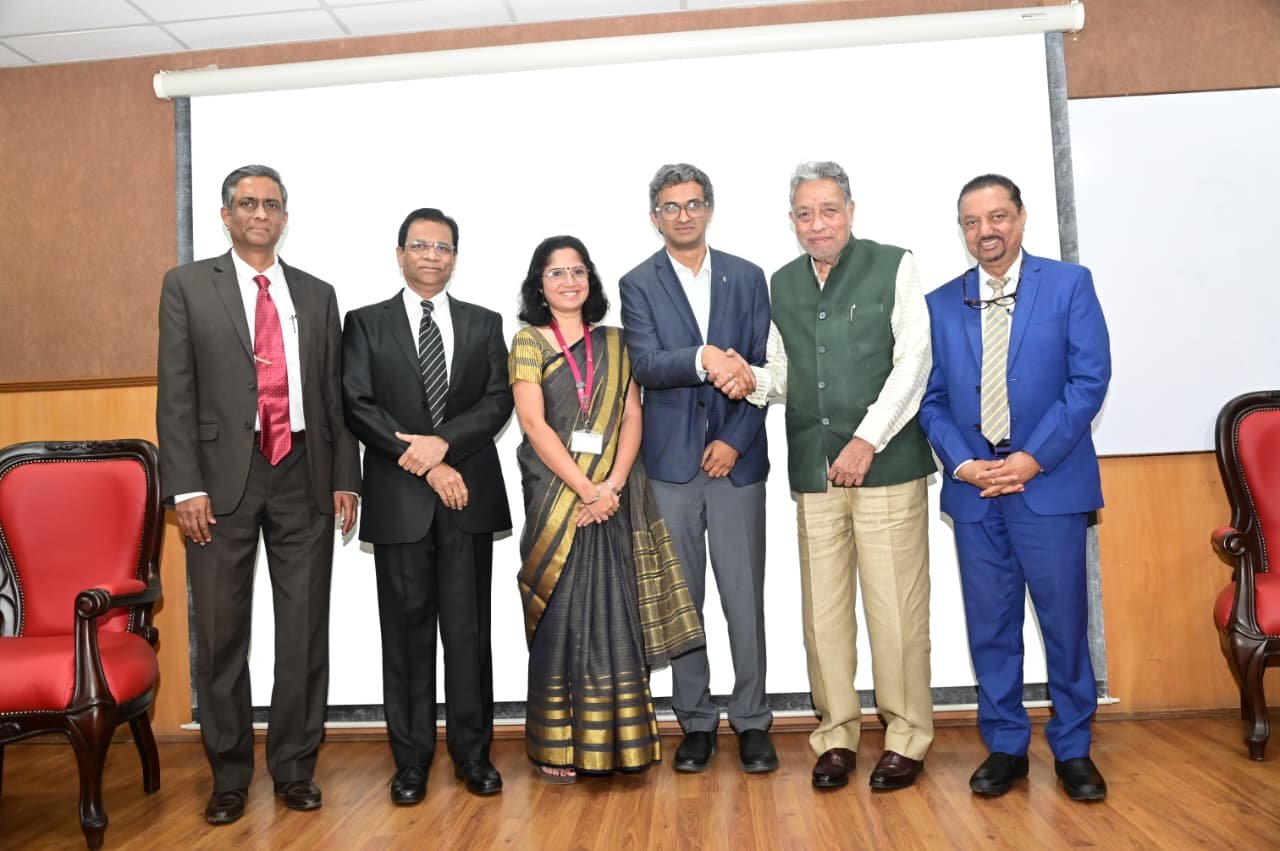
Ramaiah Memorial Hospital (RMH) has been awarded accreditation by the Foundation for the Accreditation of Cellular Therapy (FACT), one of the world’s most rigorous authorities for quality and safety in bone marrow transplantation and cellular therapy.
With this recognition, RMH becomes one of the two hospitals in India to have FACT accreditation and the only hospital in India to hold both FACT and Joint Commission International (JCI) accreditations.
FACT accreditation confirms compliance with internationally recognized FACT–JACIE standards — the global gold standard in hematopoietic stem cell transplantation. Unlike general hospital accreditations that assess infrastructure and staffing, FACT evaluates the entire transplant ecosystem — including donor safety, stem cell processing, clinical protocols, long-term follow-up, outcome reporting, and continuous quality improvement.
Dr. M. R. Jayaram, Chairman, Gokula Education Foundation (Medical), said, “FACT accreditation reflects our commitment to governance-driven, patient-centric care and measurable clinical outcomes. It validates the discipline and systems required to meet global benchmarks. This achievement ensures that patients in India receive care aligned with the world’s best. I congratulate the Center for Haematology & Bone Marrow Transplant at RMH and acknowledge the continued mentorship of the University of Illinois in helping us achieve this milestone.”
Dr. Phyllis Warkentin, Chief Medical Officer, FACT, said, “We are pleased that Ramaiah Memorial Hospital has met the Foundation’s requirements and has been granted accreditation for its Hematopoietic Stem Cell Transplant Program.”
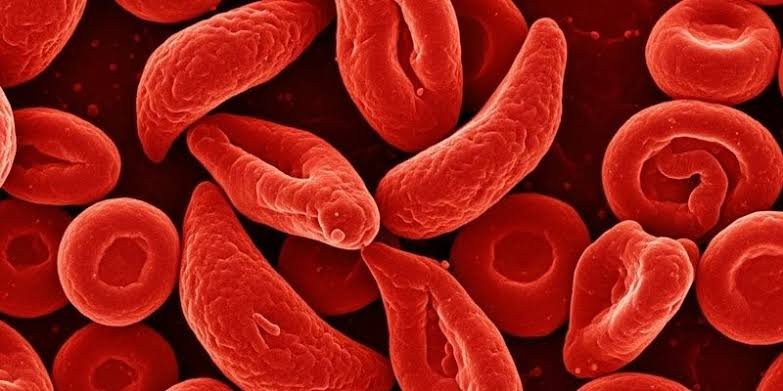
India faces a significant and growing burden of blood cancers and severe blood disorders. A diagnosis occurs every five minutes, with more than 120,000 new cases reported annually and approximately 70,000 deaths each year, according to the International Agency for Research on Cancer GLOBOCAN 2022 report. The country also carries the world’s highest burden of thalassemia, for which bone marrow transplantation remains the only established curative treatment. As transplant volumes increase, ensuring consistent quality and long-term outcomes has become a critical public health priority.
Dr. Nagendra Swamy S. C., Chief Executive – Ramaiah Memorial Hospital & Healthcare Services, GEF (Medical), said, “India’s growing cancer and blood disease burden demands more than expanding transplant capacity — it demands proven outcomes. FACT accreditation demonstrates that quality, safety, and accountability are embedded into every step of our transplant programme. This milestone is about delivering reliable, globally benchmarked results that patients and families can trust.”
Bengaluru is a major referral hub for complex blood disorders across Karnataka and neighboring states. At RMH, nearly 1,000 patients with blood disorders are evaluated each year, with about 100 clinically eligible for transplantation. However, only 30–40 undergo transplant annually due to donor availability, logistics, and safety concerns.
FACT accreditation helps address these barriers by strengthening trust in clinical quality and demonstrating rigorous standards, defining safety and effective transplant care.
Dr. Santosh K. Devadas, HOD and Consultant, Medical Oncology and Haematology, RMH, said, “In stem cell transplantation, risks often arise from system gaps rather than individual events. FACT accreditation requires programmes to eliminate those gaps — ensuring safe cell handling, proactive complication management, and continuous outcome monitoring. These directly improve survival and long-term recovery.”
He further added, “We also acknowledge the invaluable academic mentorship and knowledge exchange provided by the University of Illinois, under the leadership of Professor Dr. Damiano Rondelli, President of the Worldwide Network for Blood and Marrow Transplantation. Their guidance has played a pivotal role in aligning our transplantation programme with internationally benchmarked best practices.”