Koelis, SAS, a leader and innovator in MRI-ultrasound fusion guidance for prostate cancer interventions, recently announced that the Centres for Medicare & Medicaid Services (CMS) has approved and finalised the creation of new dedicated Current Procedural Terminology (CPT) Category I codes for prostate biopsies and specifically MRI fusion-guided prostate biopsy procedures.
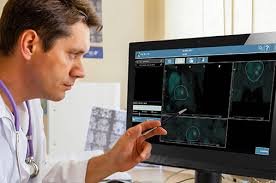
The establishment of these new codes by the AMA CPT panel and their subsequent final ruling by CMS reflects the strong clinical evidence supporting the increased utilisation of a pre-biopsy MRI, followed with MRI-targeted biopsy, which has demonstrated superior clinical outcomes in the early detection of clinically significant prostate cancer. More specifically, the final ruling promotes two clinically effective approaches in prostate biopsy: fusion guidance rather than non-fusion, and the transperineal route rather than transrectal.
This decision is expected to facilitate broader and more consistent reimbursement for healthcare providers and will enable facilities, including hospitals, ambulatory surgery centres, and private practices to more easily offer advanced procedures, such as those performed using the KOELIS Trinity MRI Fusion Biopsy system. This effort was led by the American Urological Association (AUA) and supported by LUGPA (Large Urology Group Practice Association). These codes became effective on January 1, 2026.
“We are very pleased that the AMA’s CPT Editorial Panel approved the revision of the prostate biopsy codes and CMS has posted the final ruling,” said Antoine Leroy, Founder & CEO of Koelis. “The new CPT codes represent an important milestone for the company and are a testament to the increased adoption of MRI-guided targeted biopsies in the USA. They reflect Koelis’ relentless work innovating and educating since our first FDA clearance in 2010, which has demonstrated the benefits that accurate MRI-guided detection and 3D mapping bring to patients.”