Chronic wounds remain one of the most challenging and costly healthcare burdens worldwide, particularly among patients with diabetes, vascular diseases, and other complex comorbidities. As the demand for more effective, personalised, and evidence-based wound care solutions grows, advancements in regenerative medicine, real-world evidence (RWE), imaging technologies, and tissue restoration platforms are reshaping the future of wound management.
BioLab Holdings is at the forefront of this transformation, advancing a diverse portfolio of tissue restoration technologies that combine regenerative therapies, antimicrobial solutions, advanced diagnostics, and data-driven clinical research. Through initiatives such as the BIOCAMP platform trial and the BIO-SEE imaging study, the company is exploring innovative approaches to accelerate healing, improve clinical decision-making, and expand treatment options for patients with chronic wounds.
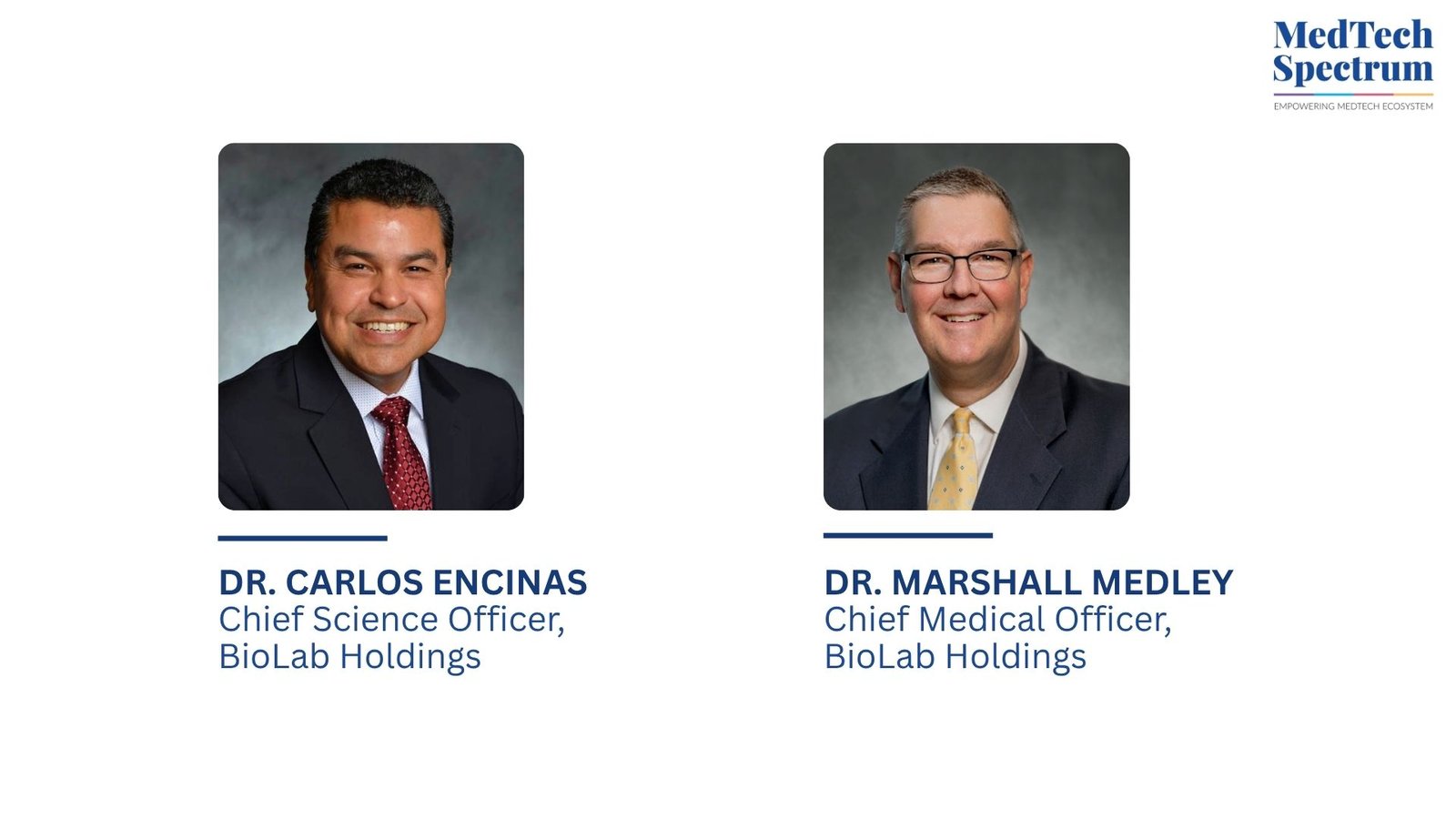
In this exclusive interview with MedTech Spectrum, Dr. Carlos Encinas, Chief Science Officer, and Dr. Marshall Medley, Chief Medical Officer at BioLab Holdings, discuss the strategic rationale behind the company's expanding clinical research portfolio, the growing role of real-world evidence in validating advanced therapies, the promise of placental-based regenerative products, and how the convergence of imaging, diagnostics, and tissue restoration technologies is shaping the next generation of wound care.
Strategic Objectives: The clinical and strategic drivers behind BioLab’s expanding portfolio of chronic wound care trials.
Real-World Evidence (RWE): The role of RWE in validating advanced therapies such as Membrane Wrap, Tri-Membrane Wrap, and next-generation CAMP products.
RWE is increasingly being discussed, as controlled trials with strict inclusion and exclusion criteria have at times excluded “real-life” patients, making it difficult to reflect what providers are truly encountering. RWE demonstrates meaningful progress in allowing us to evaluate what is occurring in clinical settings, shifting away from the restricted perspective of controlled trials that limit inclusion. In doing so, it helps validate what is actually happening in these patient populations. The FDA has also addressed this shift on its website, noting its use of RWE in regulatory decision-making.
BIOCAMP Platform: How the platform’s study design facilitates the simultaneous evaluation of multiple products and indications.
A platform trial allows us to study a single diagnosis using multiple products, with the flexibility to introduce new products at different time points under the same protocol. This approach supports the continuation of trials as new products are developed. In the BIOCAMP trial, we are evaluating two diagnoses, diabetic foot ulcers and venous leg ulcers, using two products, with the ability to add more without initiating a new trial. The goal is to expedite innovation and provide clinicians and patients with new treatment alternatives.
Placental-Based Therapies: The impact of these therapies on the future management of conditions like diabetic foot ulcers.
The impact of these therapies is well-documented across many clinical trials. They are currently used to treat difficult-to-heal wounds, including diabetic foot ulcers, venous leg ulcers, pressure ulcers, and other common wound types. However, these products can only be used on wounds that have been open for more than 30 days. Ongoing trials will demonstrate the efficacy of our products and provide greater confidence in their use for both providers and patients.
Imaging & Diagnostics: How the BIO-SEE trial and cureVision technology will improve clinical decision-making.
The BIO-SEE trial examines the bacteria-scanning capability of the device, allowing clinicians to assess wounds for the presence of specific bacteria using fluorescent imaging, even when patients do not present with visible signs or symptoms of infection. This feature within cureVision enables earlier detection of bacterial presence before symptoms emerge. Access to this diagnostic information allows wound care clinicians to make more informed decisions and provide better patient care.
The cureVision device is a handheld tool that enables wound measurement through imaging, as well as bacterial assessment. This study compares the device to another imaging technology, along with wound biopsies, to confirm the presence of bacteria. The BIO-SEE trial will be completed soon.
Market Differentiation: The factors that distinguish the CAMP platform and Microlyte from existing solutions.
One of the key factors that differentiates BioLab is our belief that chronic, non-healing wounds are complex and cannot be addressed by a single product alone. Rather than focusing on one technology, we provide clinicians with a curated portfolio of solutions that allow them to select the most appropriate approach based on the patient and the specific characteristics of the wound.
Our portfolio spans multiple categories of wound management, including APIS, a collagen matrix that combines Manuka honey and hydroxyapatite; Microlyte, a synthetic antimicrobial solution; Microlyte with Pain Guard, which combines antimicrobial protection with lidocaine; and a range of placental membrane products designed to support tissue restoration.
Ultimately, our goal is to provide clinicians with meaningful choices that enable tailored care and support improved patient outcomes.
Future Trends: How the integration of regenerative medicine, imaging, and RWE will shape future treatment strategies.
The integration of imaging diagnostics with the appropriate use of regenerative products will enhance wound healing outcomes. Conducting RWE studies will help clarify what is occurring in real-world clinical settings, and this data can be used to guide the future application of these emerging tools. Together, these advancements have the potential to help patients heal more quickly while reducing complications related to wounds and associated comorbidities.
Innovation Priorities: BioLab Holdings’ commercialisation priorities for tissue restoration.
Our commercialisation priorities are centred on building a comprehensive tissue restoration portfolio that provides clinicians with more options across the continuum of care.
Today, this includes antimicrobial technologies, collagen-based matrices, and placental membrane products. Looking ahead, we are evaluating technologies that support clinicians in assessing, protecting, restoring, and monitoring tissue throughout the healing journey, including advanced imaging and visualisation tools, cold plasma, and digital solutions that enhance clinical decision-making.
We will continue investing early in emerging technologies that align with our mission to improve patient outcomes. Our goal is to be a trusted tissue restoration partner that enables clinicians to deliver personalised care.