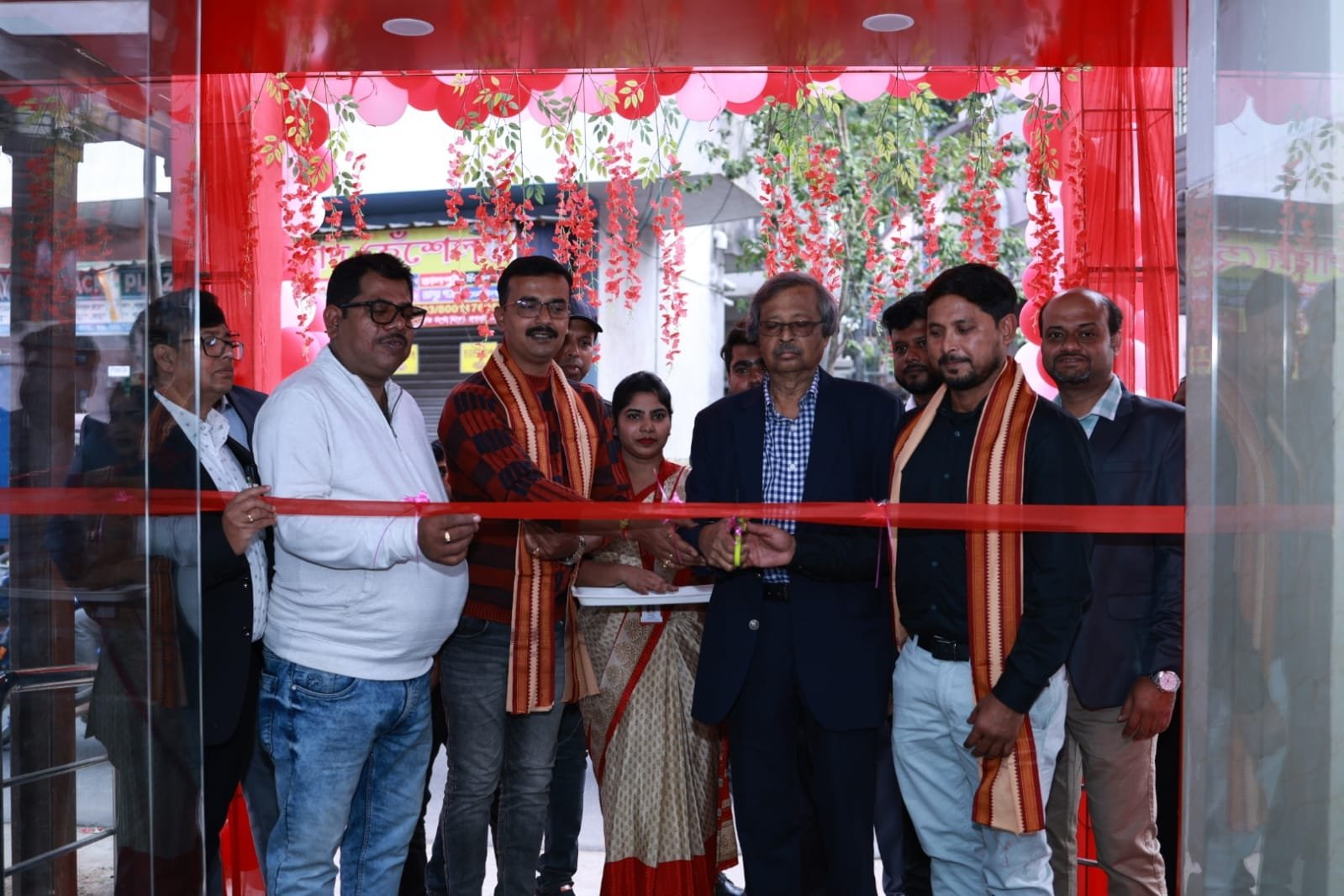
Suraksha Diagnostic Limited has announced the launch of its 58th centre in Ranaghat, strengthening its diagnostic expertise and expanding its footprint in West Bengal. The launch event was graced by the presence of eminent guests such as Anupam Sarkar, renowned footballer, Dr. G Shaw, President, Ranaghat, Indian Medical Association, Mukut Moni Adhikary, MLA, Kushal Deb Banerjee, Chairman, Ranaghat Municipality, Dr. Pallab Adhikary, Ranaghat Hospital Medical Superintendent, along with eminent doctors – Dr. P Suvasish, Dr. Ashok Maitra, Dr. K K Mishra, Dr. Bhaskar Kr Das, Dr. Atindra Nath Mondal.
Suraksha Clinic and Diagnostics, Ranaghat, offers various diagnostic services such as X-Ray, MRI Scan, CT Scan, USG, EEG, EMG, NCV, ECG, Echocardiogram, Wireless Holter Monitoring, PFT, Upper GI Endoscopy, Lower GI Endoscopy, Colonoscopy and others.
Recently, Suraksha Clinic and Diagnostics has launched its 57th centre in Santipur, which is equipped with modern digital imaging facilities such as ultrasound and X Ray for routine diagnostics. Suraksha Clinic and Diagnostics also opened a new centre in Shyambazar earlier this year.
The opening of the new diagnostic centre in Ranaghat brings advanced and high-quality diagnostic services closer to the residents living in Ranaghat and nearby areas, where people had to travel long distances for getting access to advanced tests.
Suraksha Clinic and Diagnostics aims to expand its footprint by making its foray into three new states with more than 50 advanced outlets in the upcoming three years, and plans are ongoing for opening new centres in Jharkhand, Bihar and Sikkim.
Speaking on the opening of the new centre in Ranaghat, Dr. Somnath Chatterjee, Chairman & Joint Managing Director at Suraksha Clinic and Diagnostics, said: “The launch of the new centre in Ranaghat is in alignment with the vision of Suraksha Clinic and Diagnostics to expand access to comprehensive diagnostic services over the next 2-3 years, while strengthening its preventive healthcare offerings. Our focus is on a deeper reach into Tier-2 and Tier-3 cities, increased usage of digital platforms for bookings and report access and continued investment in advanced pathology and imaging technologies for enhancing care quality and patient convenience.”