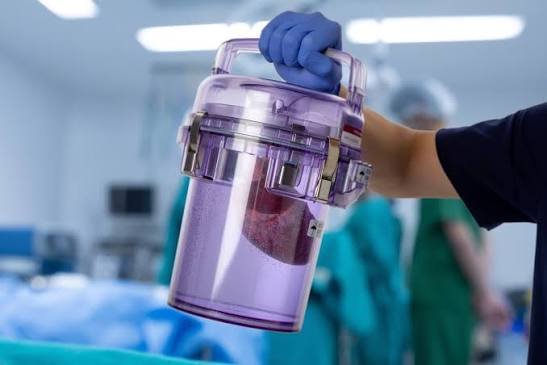
Paragonix Technologies, a pioneer in organ preservation technologies, organ offer, and surgical recovery services, announced the publication in the Journal of Cardiac Failure an analysis of the retrospective GUARDIAN-Heart Registry associating economic benefits and clinical improvements with use of the Paragonix SherpaPak Cardiac Transport System compared with conventional ice storage. The GUARDIAN investigator-initiated analysis included 486 propensity-matched donation after brain death (DBD) donor heart transplants across 18 U.S. centers.
Heart transplantation remains the definitive, gold-standard treatment for eligible patients with advanced heart failure, yet demand for donor hearts continues to outpace supply. While advanced organ preservation technologies may help expand the donor pool by supporting longer ischemic times, broader geographic recovery and greater use of extended-criteria donors, they also introduce new economic considerations for transplant programs. Those considerations come as the overall cost of heart transplantation continues to rise, driven in part by hospital care, intensive peri-operative support and post-transplant complications. Complications such as primary graft dysfunction (PGD) and the need for mechanical circulatory support (MCS) alone can add approximately $167,433 per patient—highlighting the need to evaluate preservation technologies not only by their upfront cost, but by their association with costs across the full transplant episode of care.
“As transplant programs work to expand access to donor hearts, it’s important to understand the broader impact of the technologies that support transplantation,” said lead author Dr. Daniel Goldstein, Vice Chairman, Cardiothoracic and Vascular Surgery, Montefiore Einstein. “Preservation is one part of a much larger care pathway, and this analysis provides important insight into how preservation strategy is associated with resource utilization and costs well beyond the time an organ arrives at the transplant center.”